In this guide
Write each job so a pro can quote it
A pro can only price what they can picture. For each job, write down:
- What. The work in one line: "replace the bathroom fan" or "haul out a basement of old furniture".
- Where. The room or the part of the yard, and how to get to it.
- Materials. What you have bought already, and what the pro should bring.
- When. The date it must be done by, and whether it waits on another job.
- Photos. One wide shot and one close up of each spot.
Keep each job to one kind of pro. "Paint the bedroom" and "fix the outlet in the bedroom" are two jobs, because they are two trades.
A common order for the work
Every house is different, but most multi job projects go in this order, so no pro has to undo another's work:
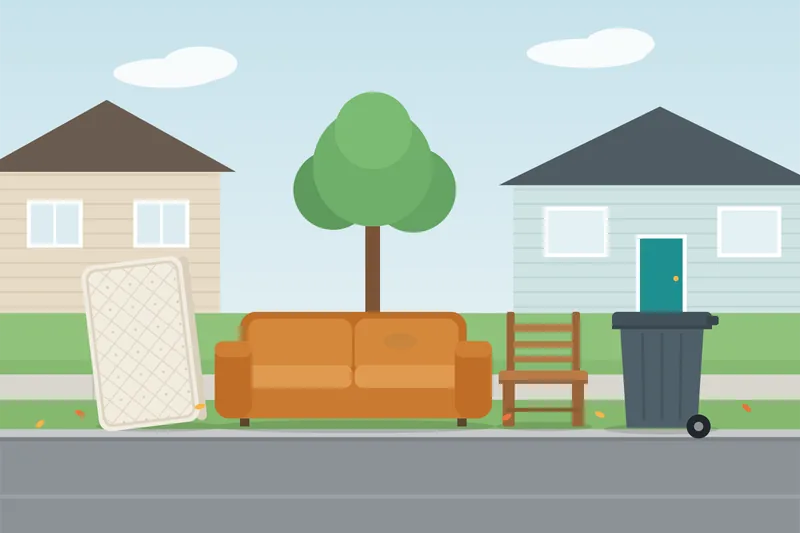
- 1. Clear out. Junk removal and moving things out of the way, so pros can reach the work.
- 2. Behind the walls. Plumbing, electrical and heating, before anything is patched or painted.
- 3. Repairs. Drywall, trim, doors, railings and the rest of the handyman list.
- 4. Finishes. Paint first, then floors, then fixtures and assembly.
- 5. Outside. Gutters, yard cleanup and the lawn, timed to the season.
- 6. Clean. A deep clean last, after the dust settles.
Plumbing, electrical and heating work need a state credential in Wisconsin, with a few exceptions such as owners working on the home they live in. Check the license before that step starts.
Permits
Wisconsin's consumer protection agency, DATCP, says the contractor must tell you about every building or construction permit the job needs. It also warns that some contracts put the permits, and the insurance, on the homeowner. Read that part before you sign.
What needs a permit depends on your town.
Get quotes job by job
Post the project once. Each job goes to up to 3 local pros who do that kind of work, and you pick a pro for each job, or nobody.
DATCP says to get more than one estimate, to have the contractor come to the job site rather than quote by phone, and to be wary of an extremely low estimate. Ask each pro the same questions so the quotes compare.
Jobs that are not ready yet can wait on the project as saved for later. Get quotes when you are ready.
Contracts, payments and lien waivers
If any payment is due before the work is done, Wisconsin law requires a written contract. DATCP lists what a home improvement contract must include: the company's name and street address, a full description of the job, the materials by brand, size and model, the total price plus any finance charges, a start and completion date, and any warranties.
In Wisconsin, a subcontractor or supplier who is not paid can put a lien on your property, even after you paid the contractor. Before the contract is signed, you get a notice of your right to receive lien waivers. Ask for a lien waiver from the contractor and each subcontractor whenever you pay. DATCP says contractors must provide them if you ask.
Never sign a completion certificate or make the final payment until you are satisfied and the work is done as agreed.
Common questions
In what order should I hire pros for a home project?
A common order is clear out first, then plumbing, electrical and heating, then repairs, then paint, floors and fixtures, then outside work, and a deep clean last, so no pro has to undo another's work.
How many quotes should I get for each job?
DATCP says to get more than one estimate. On a project, each job goes to up to 3 local pros, and you pick a pro for each job, or nobody.
What is a lien waiver and why do I want one?
In Wisconsin, a subcontractor or supplier who is not paid can put a lien on your property even after you paid the contractor. A lien waiver from the contractor and each subcontractor, each time you pay, protects you. DATCP says contractors must provide them if you ask.
Who gets the permits for a home project?
DATCP says the contractor must tell you about every permit the job needs, and warns that some contracts put the permits on the homeowner. Read that part before you sign.
Post your project
List every job once. Each one goes to up to 3 local pros you can compare. Only the pro whose quote you accept gets your contact details. Free for you, no obligation. ChoreOFF doesn't do the work: pros are independent local businesses.
Sources we checked
We read each of these pages on the date shown.
- Home Improvement Consumer TipsWisconsin Department of Agriculture, Trade and Consumer Protection (DATCP). Checked November 27, 2026.
- Wis. Stat. 145.06, plumbing license requiredWisconsin Legislature. Checked October 16, 2026.
- Wis. Stat. 101.862, electrician license requiredWisconsin Legislature. Checked October 16, 2026.
- SPS 305.70, HVAC contractor registrationWisconsin Legislature. Checked October 16, 2026.